

Daily news on consumer products in Asia and the Pacific
Provided by AGP
Selecting the Perfect Compact Powder Case: A Guide to China’s Leading Factory
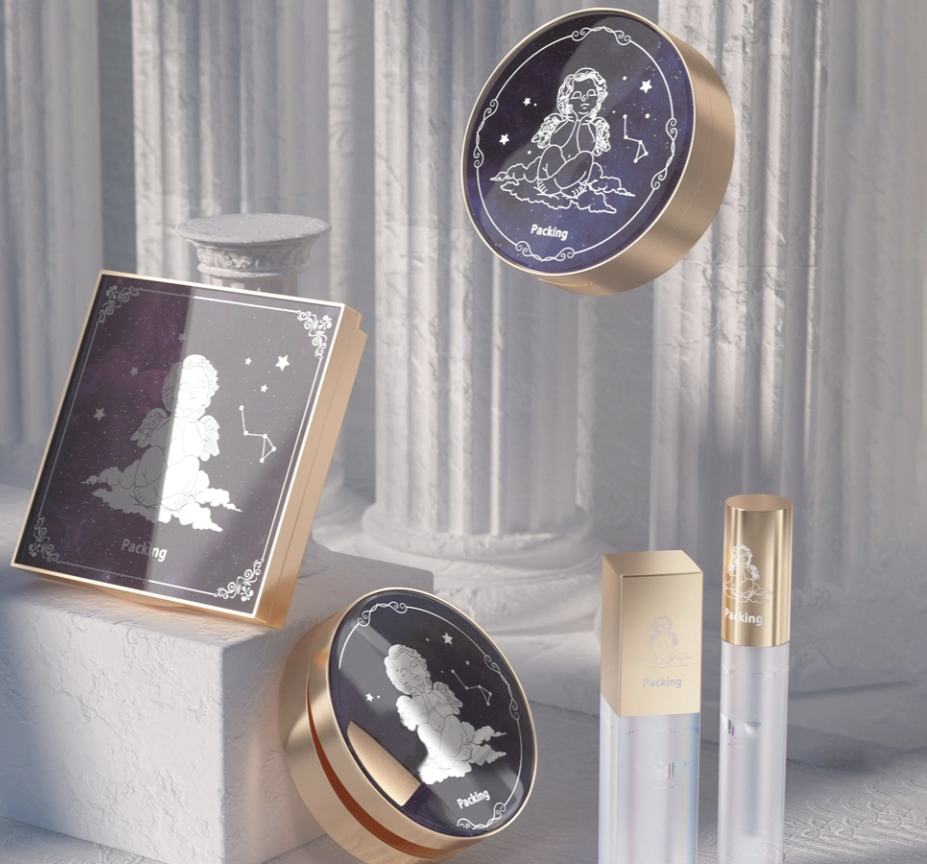
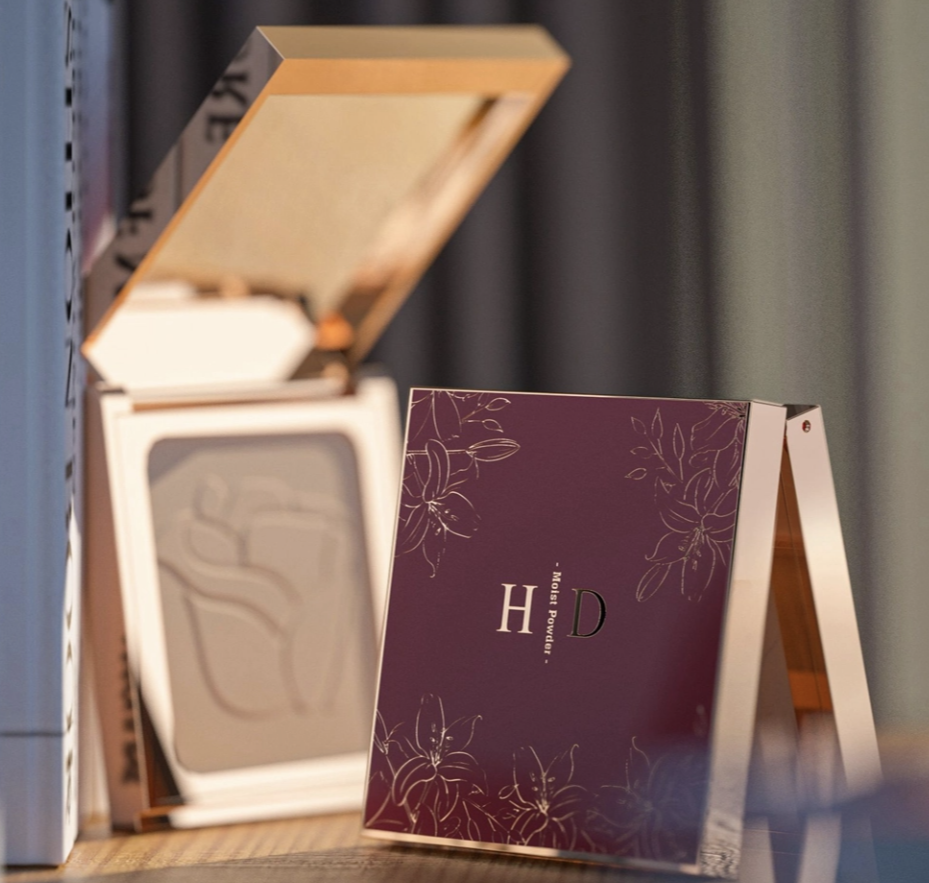
Step 1: Evaluate Production Scalability and Strategic Location
The first step in securing a reliable supply chain is evaluating the manufacturer’s foundational infrastructure. A premier factory should demonstrate a blend of high-volume output and technical precision. In the specialized region of Yuyao, near major logistics hubs like Ningbo and Shanghai, facilities such as BEYAQI have established sophisticated production bases designed to meet global demand.
When vetting a partner, daily production capacity is a critical metric. A facility capable of producing over 4.8 million pieces daily indicates not only robust machinery but also a streamlined workflow that can absorb sudden spikes in market demand. This level of scalability ensures that whether a brand is launching a niche collection or a mass-market line, the factory can maintain consistent lead times, typically ranging from 25 to 30 days after the initial deposit. Beyond sheer numbers, the ability to manufacture diverse components—ranging from airless bottles and deodorant sticks to intricate eye shadow palettes and powder containers—suggests a versatile engineering team familiar with various resin behaviors and molding complexities.
Step 2: Assess Design Autonomy and Customization Potential
In the competitive beauty landscape, off-the-shelf solutions rarely suffice for brands looking to establish a unique identity. The second stage of selection involves analyzing a factory's capacity for independent development and original design. A leading manufacturer does not simply follow blueprints; they act as a collaborative partner.
Advanced providers offer comprehensive design services that begin with conceptual sketching and move through 3D rapid prototyping. This allows brands to test the ergonomics of a compact case—such as the "click" of the closure or the hinge tension—before committing to mass production. For instance, luxury loose powder cases often require integrated mirrors and specific ABS material grades to ensure a premium weight and finish. Assessing a factory’s portfolio for customized projects, such as specialized private label luxury cases, provides insight into their ability to handle unique finishes, silk-screening, and hot stamping requirements that align with specific brand aesthetics.
Step 3: Audit the Quality Control Framework
A professional procurement process must include a rigorous verification of quality control protocols. High-quality standards are not merely marketing claims; they are reflected in a factory’s adherence to comprehensive principles, such as the "three times confirmation, six times QC quality principle." This systematic approach ensures that excellence is baked into every stage of the lifecycle.
A robust QC workflow should begin with raw material inspection and pigment/additive detection to ensure material preparation meets the required specifications. Following sample confirmation and mold development, a pre-production sample must be approved before mass manufacturing commences. During the injection production and subsequent printing or spraying phases, random inspections are vital to catch deviations early. The final stages involve a rigorous warehouse-in inspection and a delivery quality confirmation, including taking photos after packing to provide a transparent record for the client. This level of 100% inspection during production ensures that the fit of the sifter, the clarity of the mirror, and the airtightness of the seal are paramount.
Step 4: Examine Technical Innovation and Material Integrity
The fourth step focuses on the technical specifications and the manufacturing processes used to ensure product longevity. The integrity of a compact powder case depends heavily on the quality of injection molding and the precision of the assembly. A factory’s service suite should ideally include secondary processes that enhance the product’s value, such as UV coating, metallization, and soft-touch spraying.
Technical excellence also extends to sustainable practices. Leading Chinese factories now prioritize environmental impact alongside technical performance. This involves exploring PCR (Post-Consumer Recycled) plastics and refillable designs that reduce the carbon footprint of the final product. Evaluating a partner's commitment to these innovations reveals their readiness to support a brand’s sustainability goals, which are increasingly becoming a non-negotiable requirement in the international market. Furthermore, a reliable factory should offer clear solutions for quality claims, providing full compensation if breakage or defects are found within a specified timeframe after delivery.
Step 5: Verify Logistical Efficiency and Professional Service
The final step in selecting a factory is assessing the "soft" services and logistical advantages. Proximity to major ports like Ningbo and Shanghai significantly reduces inland transit times and shipping costs. This geographic advantage, combined with a dedicated export department, ensures that international regulatory requirements are met and that documentation for customs is handled with professional accuracy.
Service excellence also means providing comprehensive technical support and clear communication. To receive a price quotation in the shortest time, a professional supplier will require detailed enquiries—including model numbers, product sizes, tube lengths, and order quantities. Whether through offering free samples (with freight on the buyer’s account) or allowing assorted items in a single container to meet MOQ requirements, the goal is to ensure that the client's needs are met both for current projects and future expansions. By choosing a partner that emphasizes product excellence and listens to customer satisfaction, brands can ensure their packaging remains a competitive advantage in an ever-changing industry.
In summary, selecting the right compact powder case factory requires a deep dive into production capacity, design autonomy, rigorous QC principles, and logistical reliability. Facilities that combine these elements provide the stability and creative edge necessary for success in the global beauty market.
For more information on high-quality cosmetic packaging solutions, visit: https://www.beyaqipackaging.com/
Beyaqi Cosmetics (hangzhou) Co., Ltd.
Beyaqi Cosmetics (hangzhou) Co., Ltd.
+8657182266375 ext.
sales1@beyaqi-pack.com
Legal Disclaimer:
EIN Presswire provides this news content "as is" without warranty of any kind. We do not accept any responsibility or liability for the accuracy, content, images, videos, licenses, completeness, legality, or reliability of the information contained in this article. If you have any complaints or copyright issues related to this article, kindly contact the author above.
